Gates Open, Kettle On: Your Guide to the Allotment Open Day Boom
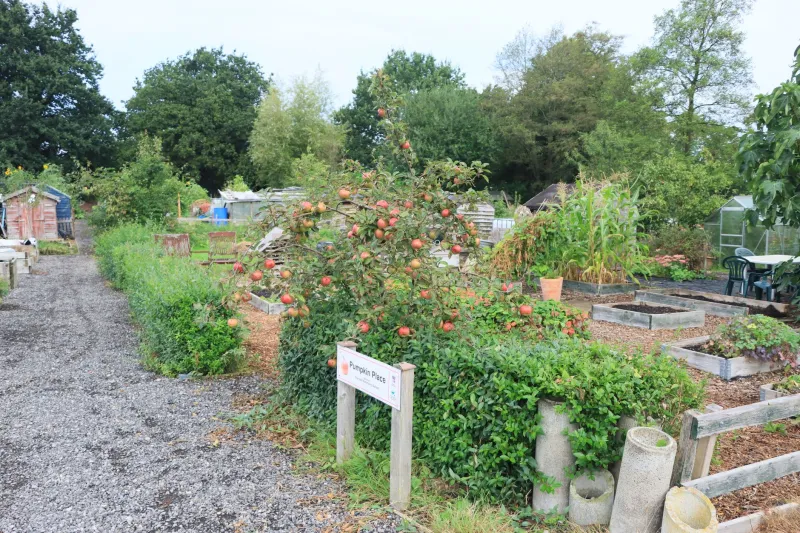
There is a certain kind of British afternoon that involves a folding table, an urn, a slice of Victoria sponge and a sign that says Please Don't Walk On The Beds. Add a scarecrow with a traffic cone for a hat and you have got yourself an allotment open day — arguably the most underrated free family day out of 2026.
Allotment open days are exactly what they sound like: growers throw open their gates to the public for a few hours, usually to raise money for a local cause. You wander between plots, admire the tomatoes, buy a few seedlings, let the kids follow a scarecrow trail, and drink tea while somebody tells you, with real feeling, about their runner beans. It is gentle, it is cheap, and it is quietly brilliant.
Why the veg patch is having a moment
Allotments have been on a slow burn for years. Waiting lists are long, growers are keen to share skills, and more people than ever seem to want to know where their food comes from. But the open day is the bit that turns a private patch into a proper community event.
The appeal is simple. It is free. It is outdoors. It does not require a booking app or a parking strategy. You can bring grandparents, toddlers, a dog on a lead and a reusable bag for the seed swap. You can stay for twenty minutes or two hours. Nobody is going to upsell you a £9 slice of cake.
And there is something genuinely good for the soul about seeing a place that has been cared for by many hands. Allotments are not manicured. They are lived-in. You will see wonky bean frames, brilliant compost setups, a shed with a carpet on the roof and at least one plot-holder who has clearly been waiting all year to show off their rhubarb.
What actually happens on the day
Every open day is different, but most follow a familiar rhythm. Gates open mid-morning. The tea urn is already on. There is a table of seeds and seedlings, often with handwritten labels and a honesty box. Somebody is selling jam. A scarecrow trail winds through the plots, with families voting for their favourite. There might be a plant sale, a tool swap, a children's bug hunt or a raffle with a hamper as the top prize.
Many open days raise money for a local charity or community project. Some support the allotment site itself — new water butts, raised beds, a accessible path. Others collect for a food bank or a nearby hospice. The best ones feel like a village fete that has been shrunk down and given a spade.
You do not need to be a gardener to enjoy it. In fact, the open day is a brilliant place to ask the daft questions you have always wanted to ask: why are my tomatoes splitting, what do I do with a glut of courgettes, and is it too late to plant anything at all? Growers love a question. They will tell you more than you asked for, in the best way.
How to find one near you
There is no single national list of allotment open days, so a bit of local detective work helps.
- Check your council's allotments page. Many sites advertise open days there.
- Look at local Facebook groups and community noticeboards. The laminated A4 flyer is still undefeated.
- Ask at your local garden centre or community café. They often know what is happening.
- Follow local allotment associations and wildlife groups on social media.
- Look out for signs on the site itself. If the gates are open and the urn is out, you are probably in the right place.
If you cannot find one, you could always suggest it. Allotment committees are usually delighted to have a reason to open the gates, and a small entry fee or tea donations can add up nicely for a good cause.
What to expect on the day
Go with an open mind and a bit of cash for the honesty box. Wear shoes you do not mind getting muddy. Bring a bag for any seeds, plants or jam you pick up. If you have kids, the scarecrow trail is usually the highlight — some sites go genuinely elaborate, with themed scarecrows made by different plots.
Do not expect a slick festival. Expect a lovely, slightly chaotic community event where somebody will absolutely try to give you a courgette. Accept the courgette. That is part of the deal.
Why it matters
Allotment open days do more than raise a few quid. They make growing food visible. They turn a locked gate into a welcome. They give people who might never otherwise meet a chance to chat over a seed tray. They also remind us that the best community events do not need a big budget or a marketing campaign. They need a few willing volunteers, a kettle and a reason to say hello.
In 2026, with so much of life happening through a screen, there is something quietly radical about spending a Sunday morning looking at actual rhubarb. If you see a handwritten sign for an allotment open day near you, go. Take the family. Take a pound for the raffle. Take a bag for the courgettes. You will come home with muddy shoes, a few new seeds and the pleasant feeling that your town is full of good people growing good things.