Roll Up, Roll Up: Why a Strip of £1 Raffle Tickets Is Britain's Best Night Out
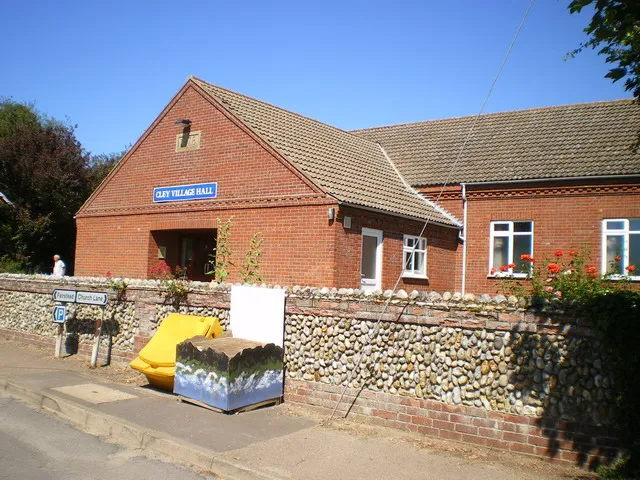
Photo: Richard Law, CC BY-SA 2.0, via Wikimedia Commons
There's a moment, roughly nine o'clock on a Thursday, when a pub back room goes silent and a man in a fleece holds up a hamper and reads out a number. That pause before the room exhales is the closest thing Britain has to a national sport that costs a pound.
The local charity raffle gets filed under 'something to do while the quiz is being marked' or 'the bit at the end of the summer fair when everyone's folding the tables'. But go to enough of them and a different picture emerges. The raffle isn't the filler. It's the evening. A fiver, ninety minutes, and a room full of people genuinely delighted for a stranger who has just won a tray of sausages.
The anatomy of a proper raffle night
Every good one has the same five moving parts.
The prize table. Never flat, always a trestle with one short leg, covered in a paper cloth someone brought from home. On it: a hamper (biscuits, chutney, a bottle of something red and unidentified), a meat tray from the butcher at the top of the high street, a voucher for a haircut, a bottle of gin with a bow on it, and one mystery bag that everybody secretly hopes they don't win.
The tickets. Pink, generally. Two pounds a strip, five for a fiver — the maths is deliberately a bit generous so the buyer feels clever. Nobody has ever won anything with 231. Everybody remembers being 231.
The caller. Usually the person with the loudest voice and the least shame. They do the 'is this your number? Is it? No? Never mind, we'll do another one' routine, and it lands every single time, like it's brand new material.
The prizes nobody can identify. A decorative bowl. A set of keys to something. A framed print of a bridge that isn't in this county. These are handed over with enormous ceremony and accepted with enormous grace.
The child who wins. There's always one. They win the wine, the room laughs, and the bottle goes behind the bar until a parent claims it. It is the most reliable joke in the country.
The sellers are the real headline act
Nobody gives the ticket sellers enough credit. Every raffle circuit has one: a woman in her seventies who has been doing this since the hall was built and who doesn't so much sell you a ticket as gently explain why your evening would be incomplete without one. She will extract two strips from a man who came in for a pint of mild and had no plans to spend a penny more. He'll grumble. He'll also win the gin.
Then there's the school-gate seller, working the queue with a Tupperware of change and the sort of eye contact that brooks no argument. And the teenager doing it for a Duke of Edinburgh award, mortified but quietly brilliant at it.
These people are the reason a raffle raises £1,840 instead of £400. Not the hamper. The humans.
Why it works when nothing else does
Because the barrier to entry is almost zero, and the barrier to staying is even lower. You don't need to know the rules. You don't need to be good at anything. There's no team to let down, no scoreboard, no kit. A raffle asks nothing of you except a pound and a bit of attention, and it gives back an hour of shared hope.
It's also radically sociable. The pub quiz divides the room into teams. The raffle dissolves it. Everyone's in the same pool, from the table of six in the corner to the vicar by the door, and when a number goes up there's a communal intake of breath that you simply don't get from a screen.
And crucially, it's a good cause night out. The money goes to the roof fund, the food bank, the under-11s kit. You get an evening out and a small warm glow, and it costs less than a round.
Running one in 2026 that actually raises money
So you've been volunteered. Deep breath. Here's what separates a room-shaking success from a sad table in the corner.
Price low, sell in strips. £1 a ticket, £5 a strip. Several small chances beat one big expensive one, because everyone can play.
Ask twenty local businesses for one thing each, not one business for everything. The butcher, the bakery, the hairdresser, the garage with a free MOT. Local prizes keep the money circulating in the town and give you a lovely roll call of thank-yous on the night.
Announce prizes beforehand, draw them on the night. Post the list on the community Facebook group a week out. It builds a queue before the doors open.
Save your best prize for last. Nobody leaves early if the big one is still on the table.
Keep the draw to twenty minutes. Enthusiasm is a finite resource. Batch the small prizes, then build to the finale.
Use a card reader and a QR code as well as cash. In 2026, half the room has no change and the other half has no cash at all.
Do the boring legal bit. If you're selling tickets in advance rather than on the night, this may count as a small society lottery, which means registering with your local council's licensing team and sticking to the limits on prize values and ticket sales. Under-16s can't buy tickets. It's a ten-minute check and it protects the cause — worth doing properly and early.
Say what the money did. Last year's £1,840 paid for the hall boiler. Put that on a laminated A4 by the door. Nothing sells a ticket like a working radiator.
The bit nobody tells you
It isn't really about the hamper. Watch a room during a raffle and you'll see people lean across tables to check each other's numbers, strangers comparing strips, a bloke who's won nothing all night clapping loudest for the kid with the wine. That's the product. The hamper's just the excuse.
So next time you see a hand-written sign in a pub window promising 'Raffle 8pm, in aid of the roof', go in. Buy a strip. You probably won't win. You'll definitely have a better Thursday than you were planning.