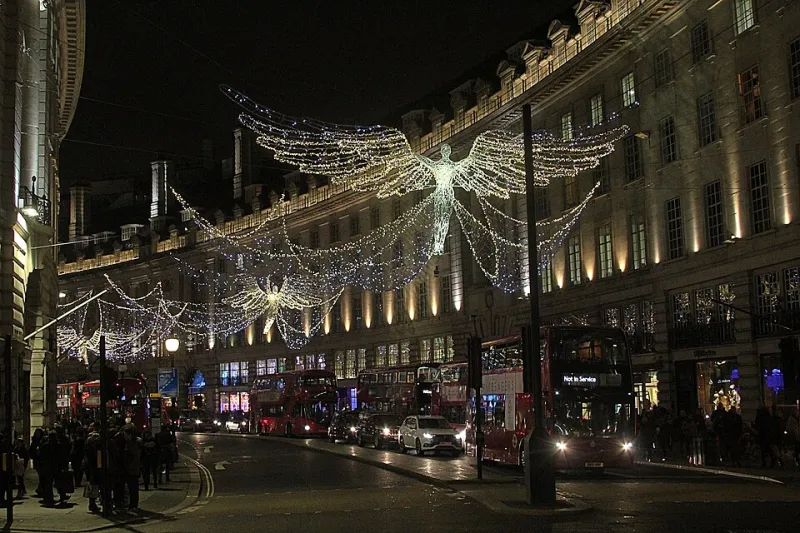
After Lights-Out: The Reading Room That Became Your Town's Best Free Night Out

Photo: duma.gov.ru, CC BY 4.0, via Wikimedia Commons
It's a Thursday in November, the rain is doing that horizontal thing, and the lights are still on at the library. Not the strip-lit, shhh-please lights of a weekday afternoon — the other lights, the ones with the shades on. There's a coffee machine hissing in the corner, a crate of records by the window, and around forty people on folding chairs listening to a man explain, with real feeling, why side two of a 1978 folk album is the finest twenty minutes ever committed to vinyl.
Nobody has taken a book out all evening. That is, more or less, the point.
The quietest building in town takes the late shift
For most of us the library is a daytime memory: school projects, a photocopier that ate your 20p, a librarian with a stamp and a look. But up and down the UK, reading rooms have been quietly extending their hours and stretching their remit, and the result is one of the more welcome developments in British nightlife — a night out that costs nothing, finishes before the last bus, and doesn't involve a single Jägerbomb.
The shape of it is similar from Bristol to Bolton. A library stays open until eight or nine once or twice a week, a staff member with a pet project takes charge of the evening, and the space fills with something that isn't a reading group. Vinyl listening clubs. Knit-and-natter circles that run well past nine. Board game tables where the Catan rivalry gets genuinely undignified. Stand-up comedy in the corner where the reference shelves used to be. Coding meetups for adults who never quite got round to learning Python.
So what's actually on?
Specifics vary, as they should — a library night ought to sound like the place it's in. In the big city libraries you'll find ticketed evening talks and small gigs, often with a local record shop or a university department chipping in. In market-town branches it's more likely to be a craft circle, a chess night, or a 'bring your own project' session where the point is the table, not the tuition.
Then there's the comedy. It sounds like a gimmick — comedy, in a library, where you're not supposed to make noise — and it works precisely because of that tension. The rooms are small, the audiences are mixed, and a comic who dies has to die in front of a display about the Dewey Decimal System. The best nights lean into the absurdity rather than fighting it.
The listening clubs are the sleeper hit. Records, a decent turntable, somebody willing to say a few words between sides, done. No support act, no bar queue, no £45 ticket and no scramble for the last train. If you've ever wanted to hear an entire album start to finish with other people and no phones out, this is where that happens now.
Why the free night out is having a moment
Three things are pushing in the same direction.
The first is money. An evening that costs the price of a filter coffee — or nothing at all — isn't a novelty at the moment, it's the plan. When a round of drinks costs more than a week's groceries, 'shall we do something free?' stops being a compromise and starts being the good idea.
The second is the sober-curious drift. Plenty of people want to be somewhere in the evening that isn't a pub and isn't their own front room. Somewhere with other humans, a bit of gentle structure, and a reason to leave the house that doesn't involve a hangover.
The third is warmth and geography. Libraries sit in the middle of towns, near bus stops, on the high street, and they're heated. That last point is not small in November, and it's not small for the growing number of people who'd rather not spend the evening in a cold flat.
Right, how do I get one of these at my library?
Here's the practical bit, and the good news is that it's more achievable than you'd think.
1. Talk to the person, not the website. Pop in on a quiet afternoon and ask for the branch or library manager. Emails to a generic council address vanish into the void; a human conversation gets remembered.
2. Bring a partner in crime. Two people is a movement, one person is a whim. Find a friend who'll commit to showing up to the first three.
3. Pitch it as a pilot. Three sessions, one evening a month, capped numbers. Nobody has to approve a permanent fixture, and you both get a graceful exit if it flops.
4. Sort the boring bits early. Ask about insurance, room capacity and safeguarding — anything open to under-18s changes the paperwork. Ask whether you can serve food or hot drinks, and whether there's a kitchen you're allowed to use.
5. Be honest about money. Some branches can cover a small budget; others can't cover a biscuit. Offer to pass a hat, charge a token £2, or find a local business to sponsor the tea. Don't promise a budget you don't have.
6. Use the library's own channels. Noticeboards, the newsletter, the social accounts, the laminated sign by the counter. A well-made poster on the way out of the children's section reaches more people than a hundred posts online.
7. Leave the room as you found it. Stack the chairs, wipe the tables, thank the staff by name. It sounds trivial. It's the whole reason you'll be invited back.
The email that tends to work
Short, warm, specific. Something along these lines:
Hello — I'm a regular at the branch and I'd like to run a monthly listening night in the meeting room, Thursday evenings, 7–9pm, starting in the new year. I'd bring my own deck and records, handle setup and pack-down, and aim for 15–25 people. Happy to come in and talk it through. Would that be possible?
Swap the details, keep the tone. Library staff get a lot of vague enthusiasm and very little follow-through; a plan with dates and a number in it stands out immediately.
One last thing
Libraries have spent years telling anyone who'd listen that they're more than books. Somewhere along the line, the rest of us started believing it. Have a look at what your local branch is doing after dark — and if the answer is 'nothing', you now know exactly who to ask.