Four Rounds, Two Quid, One Very Serious Trophy: The Back Room That Owns Monday Night
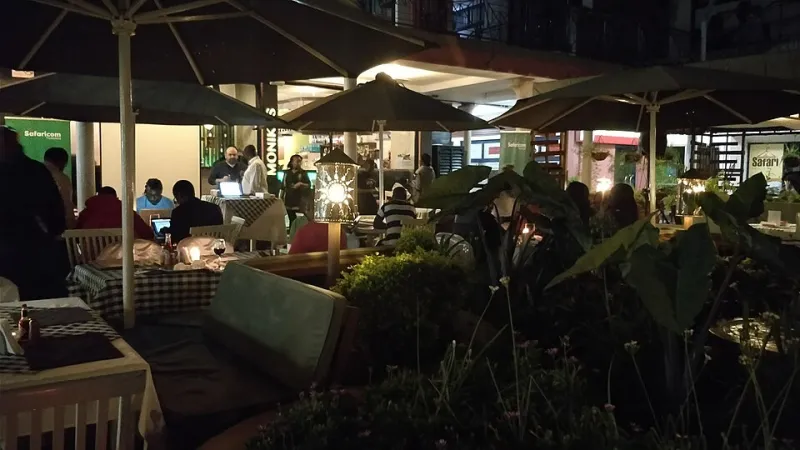
Photo: Hilary Murugu, CC BY-SA 4.0, via Wikimedia Commons
It is 7:58pm on a Monday in November 2026, and the back room of the King's Head is already full. Not busy. Full. Coats are draped over chair backs, a darts trophy is being used as a paperweight, and a woman in a fleece is going table to table with a Tupperware of 50p pieces because the quiz float has run dry before the first question has even been read out.
On the surface, this is just a pub quiz. Four rounds, a picture round, a tie-breaker that nobody ever gets right. But look a bit closer and you'll see the machinery of something much bigger: a volunteer-run quiz league that has quietly become the most dependable charity fundraiser on the local calendar.
A Monday Night Nobody Saw Coming
Mondays used to be the dead night. Landlords will tell you so themselves, usually with a rueful laugh and a gesture at the empty chairs. Then, a few years back, a handful of regulars at this particular pub decided that a bit of trivia might shift a few pints and, while they were at it, put a collecting tin on the bar for the church roof fund.
The tin filled up faster than anyone expected. The quiz kept going. And then a second pub asked if they could borrow the questions. Then a third. Before long there was a rota, a WhatsApp group with 62 members, and a spreadsheet that is treated with roughly the same reverence as the Domesday Book.
What exists now is a loose but fiercely loyal league: six venues, rotating quizmasters, and a common rulebook that nobody can quite agree on. Teams travel. Rivalries have formed. A disputed answer about a 1990s advert has not been forgotten, and — whisper it — may never be.
The Question Setters' Cold War
Every good quiz has a villain, and in this league it is the person who sets the questions. Rotating the role was meant to share the workload. Instead it has created a gentle, endlessly entertaining arms race.
One setter is known for fiendish music intros. Another insists on a geography round that has reduced grown adults to staring at a laminated map of Belgium in genuine distress. There is a retired teacher who writes cryptic round titles that only make sense after the answers are read out, and a younger regular whose pop culture questions have caused at least two formal complaints (both submitted, it should be said, on the back of a beer mat).
The unwritten rule is simple: nobody is allowed to set a question they know their own team will get. This is monitored with the seriousness of an international treaty. The last person suspected of ignoring it still gets a certain look across the room.
Two Quid a Head, and Where It All Goes
Entry is £2 per person. It feels almost too small to matter. Multiply it by six teams of six, add the raffle, add the occasional donation from a team that has had a very good week, and something quietly remarkable happens.
Over the course of a year, this little circuit has funded a community defibrillator, a set of junior football kits, a food bank's fuel bill, a repair to the village hall floor, and — memorably — a new urn for the church hall kitchen that was unveiled to a round of applause usually reserved for winning goals.
The money is small but it is steady, and that is the point. You cannot plan a major grant around a Monday quiz, but you can absolutely rely on one. Organisers describe it as the base layer of local fundraising: not glamorous, not photogenic, but always there.
The Landlord Is the Quiet Hero
Running a quiz night is easy. Running a quiz league is not. Somebody has to print the answer sheets. Somebody has to text six landlords on a Sunday to confirm numbers. Somebody has to explain, again, why the picture round cannot include a blurry photo of a bridge taken from a moving car.
Landlords, for their part, have learned to lean into it. They put on the hot food. They keep the back room free. They have accepted that a Monday crowd is a different crowd — less raucous, more likely to order a pot of tea and a plate of chips, and absolutely certain that the quiz starts at 8pm sharp.
There is also the raffle. The prizes are modest: a bottle of something, a box of biscuits, a voucher for the barber's. The queue for tickets snakes past the fruit machine and nobody seems to mind.
Why It Feels Like the Warmest Ticket in Town
Here is the thing about a Monday quiz in November. It is dark outside by half four. The heating is on. The windows have fogged up. Somebody's nan is winning the raffle for the second week running and there is a genuine sense of outrage about it.
It is not a big night out. It is not meant to be. It is a ritual: the same faces, the same arguments, the same four rounds. And in a year when so much of life happens on a screen, there is something deeply satisfying about sitting in a back room, arguing about the capital of Peru, and knowing that the two quid in the tin is going to buy something useful for somebody you'll probably pass on the street tomorrow.
The quizmaster calls for silence. The first question is read. Somewhere at the back, a pen clicks. And Monday night, which used to be nothing at all, gets going again.