Sofa, So Good: The Tiny Gigs Turning Spare Rooms Into Proper Venues
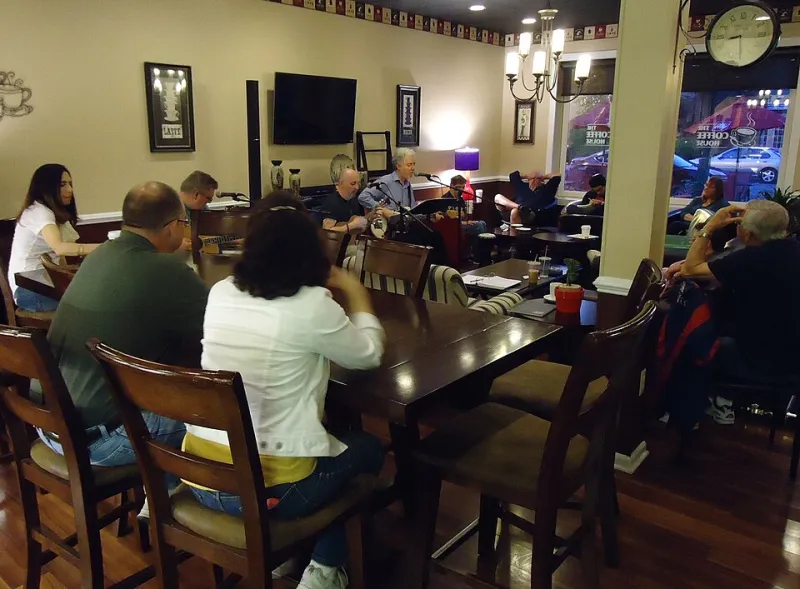
Photo: Tomwsulcer, CC0, via Wikimedia Commons
There is a particular sound a good front-room gig makes. It is not the thump of a bass bin or the clink of a busy bar. It is a room going quiet enough to hear a guitar string being tuned, a kettle clicking off in the kitchen, and twenty people trying not to crunch too loudly through a slice of lemon drizzle.
Welcome to the charity house-gig circuit: the small, stubbornly cheerful corner of British music where the stage is a rug, the lighting is a floor lamp, and the interval is whatever somebody’s neighbour has brought on a plate. Across the UK in 2026, hosts are opening spare rooms, conservatories and the odd very brave kitchen for evenings that raise money for local causes and remind everyone that a venue does not need a neon sign to count.
How a front-room gig actually works
The format is gloriously simple. A host has a room, a cause and a loose grasp of how many people can fit on an average three-seater sofa. A musician — often a solo singer-songwriter, a folk duo, a jazz trio or someone trying out new material — agrees to play two short sets. Guests buy a ticket, usually somewhere between £5 and £10, and the host passes the hat for extra donations.
Capacity tends to be tiny: twelve, eighteen, sometimes twenty-five if the hallway is pressed into service. There is rarely a proper PA. A single speaker, a borrowed amp and a lamp pulled a little closer to the singer are often the whole production. The host might provide tea, cake or a bring-a-bottle arrangement. The artist might bring CDs, vinyl or a QR code for their mailing list. The charity gets the profit after modest costs.
The crucial bit is that everybody knows what the night is for. It is not a party with music happening in the corner. It is a gig that happens to be in somebody’s house. That distinction keeps the atmosphere warm without letting it drift into chaos.
The arithmetic of a small room
A pub show can be a brilliant night, but it has overheads: staff, sound, marketing, the venue’s cut, and the general cost of getting people through the door. A house gig strips most of that away. If twenty people pay £7 each, that is £140. Spend £15 on ingredients for cake and tea, put £20 towards the artist’s travel, and there is still a decent sum for the cause. Add a generous hat and a few merch sales and the total climbs again.
It is not going to fund a new village hall roof on its own. But the point is the ratio. More of the money stays in the room, and more of the room feels involved in raising it. A £7 ticket feels affordable in a way that a £25 night in town often does not, especially when the audience is made up of neighbours, friends and people who would not normally go to a gig on a Thursday.
The hidden ingredient is trust. Guests are not paying for a slick production. They are paying because somebody they know has said: come to my front room, hear something good, help a local cause, eat a biscuit. That is a surprisingly powerful offer.
Why it feels different from a pub show
Pubs are built for sociability, which is a lovely thing until you are trying to hear a quiet song about a bus route. Front rooms are built for listening. There is no fruit machine, no television over the bar, no group in the corner who have not noticed the music has started. The audience is close enough to see the musician’s fingers move and far enough away to avoid eye contact during the sad song.
That intimacy changes the set list. Artists often play quieter material, test unfinished songs and tell stories they would not risk in a noisy room. It can be nerve-wracking — there is nowhere to hide behind a wall of chatter — but it also produces the kind of performance that audiences remember. You are not watching someone from the back of a crowd. You are in the same room as them, and everyone knows it.
Etiquette for first-time hosts
Start with the neighbours. A polite note a week or two before the gig, with a rough finish time, prevents a lot of door-knocking later. Keep the guest list within a number the room can genuinely hold. A crowded sofa is charming; a blocked fire exit is not.
Think about sightlines and movement. Can everyone see without standing on the coffee table? Is there a clear route to the kitchen, the loo and the front door? Are pets happily settled somewhere else? If you are charging for tickets, it is worth checking whether your home insurance covers public events, and keeping an eye on trailing cables.
Keep the running order tight. A 7.30pm start, two sets of around thirty-five minutes and a finish by 10.30pm is a good template. Provide simple refreshments, ask the artist what they need, and do not pressure them into three encores because the room is enjoying itself. A good host makes the evening feel effortless; a great host also makes sure the artist gets paid and the charity gets the money.
Etiquette for first-time gig-goers
RSVP properly and turn up on time. Bring cash for the hat, even if you bought a ticket online. Do not film the whole set without asking. If the host asks people to bring a plate, bring something that does not require a oven relay at 8.15pm. Do not add a plus-one unless the host has said yes; the whole charm of the format depends on the room not being overstuffed.
Buy the merch if you can. Be generous with the cake. Leave quietly. And remember that the person whose house you are in has spent the week moving furniture and worrying about whether the loo door sticks.
The best seat in British music might be somebody’s armchair
There is a version of local culture that lives in big venues, bright lights and expensive tickets. Then there is the version that lives in a front room on a wet Tuesday, where a musician plays to fifteen people and a charity tin fills up one pound coin at a time. The second version is not a lesser night out. It is a different kind of night out: smaller, warmer, stranger and, quite often, more memorable.
So if you see a handwritten notice in a café window advertising a house gig for a local food bank, or a friend asks whether you fancy a sofa-based evening in aid of the community fridge, say yes. Take a £7 ticket. Bring something for the hat. Mind the cat. The best seat in town might just be somebody’s spare armchair.