The Local Joke Is the Star: Village Hall Panto Season Is Back for December 2026
Photo: amateur pantomime village hall stage UK community theatre Christmas audience, via i.pinimg.com
By the time the high street lights go up, something stranger and lovelier is happening down the back lanes. In a hall that smells faintly of floor polish and mince pies, a retired postmistress is arguing with a teenager in a cardboard crown about whether the cow should enter stage left. It is panto season, and across the UK the amateur circuit is warming up for December 2026.
This is not the glossy, celebrity-filled version you will find in city theatres. It is smaller, dafter and much closer to home. The tickets are modest, the raffle is enthusiastic and the person playing the villain may well have sold you your morning paper. That is exactly the point.
The script has your postcode in it
Professional panto sells spectacle. Village hall panto sells recognition. A joke about the bus that never comes will land harder than any CGI dragon, and a passing reference to the roundabout repairs will get a cheer from the back row. By the time the show opens, the script has usually been through several rounds of very local editing.
That is not laziness. It is craft. The best amateur societies know their audience intimately. They know which parish council decision caused a mild stir in March, which shop has changed hands twice since summer, and which teacher can be relied upon to laugh at themselves. The result is a show that could not be performed anywhere else without a rewrite.
You will see it in the small stuff: the dame's costume made from charity shop finds, the pantomime horse sponsored by the local garage, the fairy godmother who mentions the village fete in her opening speech. None of it is accidental. It is a love letter to a place, delivered through silly walks and shouted responses.
A crew in school shoes
One of the quiet joys of the amateur circuit is the age range. On stage you might have a five-year-old in a tinsel halo and a seventy-year-old in a wig that has seen better decades. Backstage, the lighting desk is often run by a teenager who has discovered a talent for sound cues and crisis management.
These are not professional crews, but they are learning fast. They rig lights in halls with dodgy wiring, patch sound through speakers borrowed from the rugby club and improvise curtains from bedsheets. When something goes wrong — and something always goes wrong — they fix it with tape, whispered instructions and a surprising amount of poise.
For teenagers, it is a genuinely useful credit. For older volunteers, it is a reason to get out of the house in the dark weeks before Christmas. For the audience, it is a reminder that culture does not have to be imported. It can be built in a hall with a kettle and a rota.
The bucket at the door is part of the show
Amateur panto is cheap to attend, but it is not free to put on. Hall hire, insurance, costumes, scripts, lighting and the small mountain of tea bags all add up. That is why the charity bucket at the door matters. It is not an afterthought; it is part of the business model.
Many societies split proceeds between the hall fund and a local cause. You might be helping fix the roof, stock the food bank, support the air ambulance or pay for new chairs in the back room. The raffle is usually equally homespun: a hamper, a meal for two at the pub, a voucher for the garden centre. Bring cash. Bring a little generosity. You will almost certainly leave with a slightly worse prize than you hoped for and a warm feeling anyway.
Why it still works
It would be easy to file village hall panto under nostalgia and move on. That would miss the point. These shows work because they are live, local and genuinely unpredictable. The audience knows the cast. The cast knows the audience. The laughter is not piped in; it is earned in the room.
There is also something quietly radical about a night out that costs less than a cinema ticket and includes a cup of tea at the interval. It is accessible in the broadest sense: grandparents, toddlers, teenagers, neighbours who have not spoken since the boundary dispute. For a couple of hours, everyone is in it together.
And yes, it is a gateway. Some of the teenagers running the lights in December 2026 will go on to work in theatre, events or technical production. Some will not. Either way, they will have learned how to turn up, solve problems and make something happen for other people. That is not a small thing.
How to find yours before the good seats go
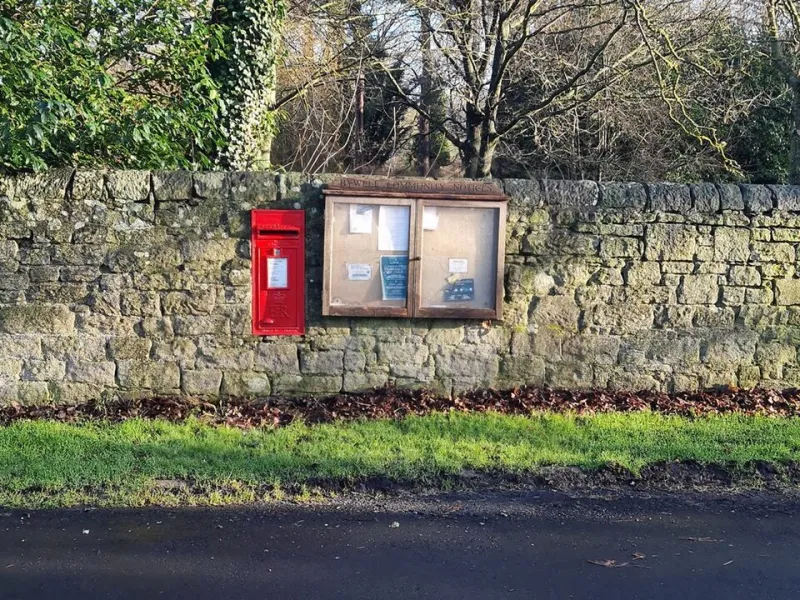
Start with the obvious places. Village hall noticeboards, library foyers, parish council newsletters, church magazines and the local Facebook groups are all reliable. Ask at the shop, the pub and the school gate. Word of mouth is still the best search engine in Britain.
Search online for panto plus your town or nearest village and December 2026, but do not stop at the first result. Smaller societies often have a basic page or a single poster rather than a slick booking system. If a show is sold out, ask about returns or waiting lists. Offer to help with stewarding if you are keen. Many groups are desperate for an extra pair of hands.
When you go, arrive early for parking, take cash for the raffle and the bucket, and check accessibility if you need step-free entry or a quieter spot. Most halls are welcoming, but old buildings can be quirky. Bring a cushion if the seats look historic. And be ready to shout back. It is not just allowed; it is practically compulsory.
The big theatres will be fine this Christmas. The village hall needs you in the audience. It is Tzeca's kind of night out: local, cheerful and built by people who know your name. Oh yes it is.