The Hammer, the Vicar and the Two-Hour Ironing Lot: Inside the Village Hall Auction of Promises
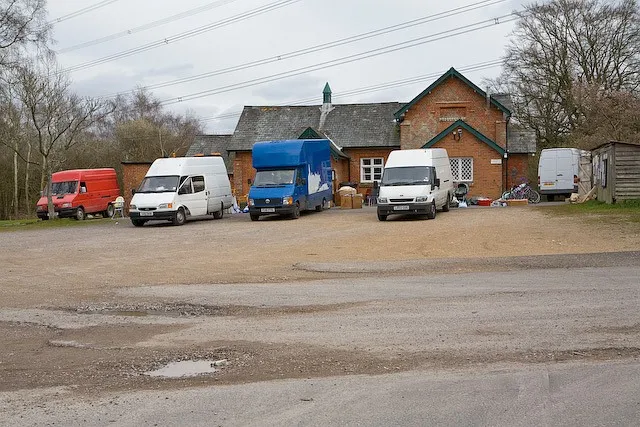
Photo: Peter Facey, CC BY-SA 2.0, via Wikimedia Commons
A Saturday night with a difference
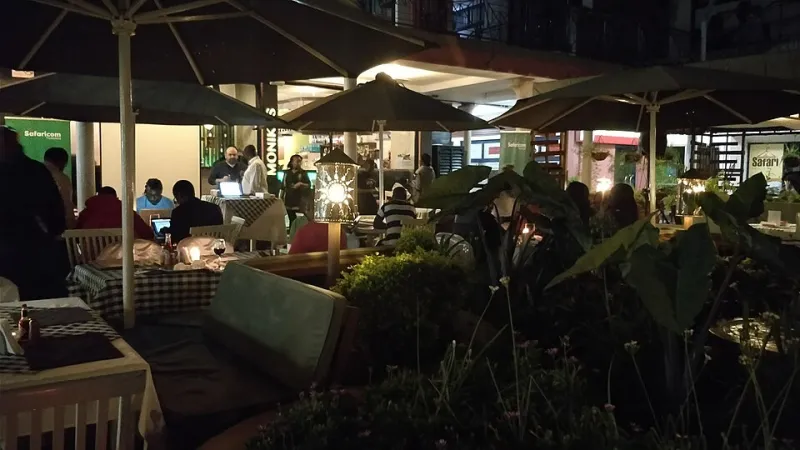
By twenty past seven, the village hall already smells of tea, warm quiche and slightly overexcited raffle tickets. The trestle tables are out, the urn is making that gentle rumbling noise, and a hand-painted sign near the door says, in no uncertain terms: AUCTION OF PROMISES — 7.30PM SHARP.
This is not a night for antique furniture or dusty oil paintings. The lots are favours. Time. Skills. A bit of cheek. Someone has offered two hours of gardening. Someone else has promised a lift to the airport, subject to reasonable notice and no enormous suitcases. There is a dog-walking package, a signed cookbook, a cake of the month for three months, and — judging by the ripple of interest near the front — a voucher for an afternoon of ironing that has already been described as 'the most romantic thing I have ever seen at a village hall'.
It is fundraising, but it is also theatre. And in 2026, with village hall roofs, heating systems and insurance premiums all asking for a quiet word, the auction of promises is having a very good moment.
What exactly is an auction of promises?
The idea is simple enough to fit on the back of a beer mat. Local people offer something they can do, make, host or lend. Those promises become lots. An auctioneer — often a vicar, a retired teacher, a pub landlord or anyone with a reliable voice and a taste for the dramatic — sells them to the highest bidder. The money goes to the hall, the club or the cause.
What makes it different from a standard auction is the lack of a product to take home. You are not buying a lamp. You are buying a future arrangement: a haircut on a Tuesday, a batch of brownies, a guided walk, a morning of DIY help, a home-cooked supper for four. The winner gets a promise. The hall gets the proceeds. Everybody gets a story.
And because the lots are personal, the bidding is personal. Nobody is quite sure whether they are bidding for the dog walk or for the chance to be seen outbidding the chair of the parish council.
How the lots get gathered
A good auction of promises starts weeks before the night, usually with a WhatsApp group and one brave organiser holding a clipboard. The call goes out through the parish newsletter, the hall noticeboard, the school gate and the pub. 'What could you offer?' is the question. The answers are often more generous than anyone expects.
The best lot sheets are a mix. You need quick wins — a box of homemade biscuits, a car wash, a plant from a well-tended greenhouse — to keep the early bidding lively. You need a few headline lots to give the evening a centre of gravity: a weekend in a borrowed cottage, a professional haircut, a signed shirt, a dinner cooked in your own kitchen by somebody who genuinely knows their way around a brisket.
It helps to have someone sensible chasing the promises. A simple form with the lot, the person offering it, any limits, an expiry date and a contact number prevents the classic January conversation: 'I thought you meant a lift to Bristol, not a fortnight in Bordeaux.' Vague promises are funny until somebody has to honour them.
The night itself
By half past seven, the hall is full. There is a table for bidding cards, a table for raffle tickets, and a table for cake, which is doing the heaviest lifting of the evening. The auctioneer taps a glass. The first lot is a sponge cake. It sells for £12 and a round of applause.
The middle of the auction is where things get going. A dog-walking promise goes for £18. Two hours of gardening sparks a small bidding war between neighbours who both claim they hate gardening, which is exactly why they want someone else to do it. The airport lift goes for £35 after a robust discussion about whether it includes the return journey. It does not. The vicar, if there is one in the room, may be invited to say a few words, bless the tea urn, or simply hold the hammer. In many halls, they are the natural auctioneer: calm, funny and able to make a £20 bid sound like a moral commitment.
The ironing lot is the one that lingers. It starts at £15. Somebody says, 'I'll give you £20 and I'll do my own shirts.' The auctioneer says, 'That is not how this works.' It ends at £40, which is either a lot for ironing or a bargain for two hours of peace, depending on your view of creased linen.
Why the bidding gets so competitive
Small communities are not immune to the thrill of the chase. If anything, they are more susceptible. When you know the person offering the promise, bidding becomes a public act of encouragement. When you know the person bidding against you, it becomes a matter of principle. And when the lot is something slightly absurd — a lift to the airport, a lesson in making chutney, a hour of IT support from the teenager who fixed the hall laptop — the bidding takes on a life of its own.
The sums are not usually enormous. Ten pounds here, thirty there. But the cumulative effect is. Twenty lots at £20 each is £400 before the raffle. Add a few bigger promises and a tea table, and a modest Saturday night can clear £1,000. For a village hall committee, that is not small change. It is a new kettle, a PAT testing bill, a chunk of insurance, or the first payment on a leaking gutter.
Where the money actually goes
The romance of the auction is in the bidding. The reality is in the spreadsheet. Village hall income often goes towards the deeply unglamorous things that keep the doors open: heating, lighting, insurance, fire safety checks, kitchen equipment, accessibility improvements and maintenance. Money might go towards a defibrillator, a hearing loop, new chairs, or the hall's share of a joint project with the cricket club or the pre-school.
That is worth saying out loud on the night. A lot of fundraising suffers from vague gratitude. People bid generously, then never quite know what happened to the cash. A short, specific update — 'last year's auction paid for the new kitchen boiler and the accessible ramp' — makes the next auction easier to sell.
If you fancy running one in 2026
Start with a date and a hall. Give yourself six to eight weeks. Ask for promises early, and chase them politely. Aim for fifteen to twenty-five lots, with a mix of £5 quick wins and a few £50-plus headline promises. Put together a simple lot sheet, print bidding cards, and arrange a cash tin, a card reader and two people to count the money. Check whether your hall insurance covers the event, keep any lifts or home visits sensible, and make sure promises involving children or vulnerable adults have clear boundaries.
On the night, keep it moving. A good auctioneer knows when to linger and when to call it. Have a finish time, a raffle, and a tea urn doing steady business. Thank the offerers by name. Follow up with winners within a week, and make sure the promises actually happen. An auction is a social contract with a gavel on top.
And if you are wondering whether to bid on the ironing: yes. Bid. The hall needs a new gutter, and your shirts have been through worse.