The Village Hall Is Showing a Better Film Than Your Multiplex — And There's Tea at the Interval

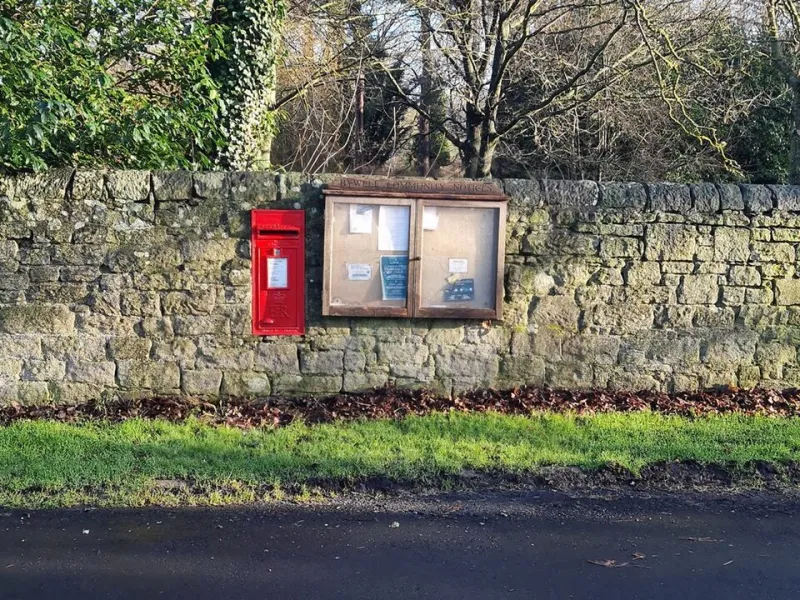
Photo: Betty Longbottom , CC BY-SA 2.0, via Wikimedia Commons
It's a Friday night in a village hall, and the queue at the door is longer than the one at the multiplex. There's a tea urn hissing in the corner, a folding table of donated raffle prizes, and a projector balanced on a stack of carpet tiles. The film starts at seven. By ten past, every mismatched chair is taken.
This is the quiet revival happening in community centres, church halls and scout huts across the UK: the volunteer-run pop-up cinema. Tickets are £3. The cake is homemade. The interval is non-negotiable. And somehow, the whole thing feels more like a night out than anything on a retail park.
Why the village hall has become the best seat in town
Multiplexes are fine if you like paying extra to sit near someone scrolling their phone. The village hall cinema offers something different: a proper sense of occasion. You arrive and see people you know. You buy a raffle ticket from a retired teacher. You watch a film with an audience that actually wants to be there, not just out of the rain.
The films aren't the point, either. Well, they are — but the evening is the thing. Organisers mix crowd-pleasers with classics and the occasional local short. Someone's nephew does the sound. Someone's mum brings a Victoria sponge. The lights go down, the projector hums, and for two hours the hall becomes the warmest room in the county.
The licensing bit (don't panic)
Here's the part where everyone expects a wall of paperwork. It's not quite that bad. Under the Licensing Act 2003, exhibiting a film to the public is a licensable activity. Many village halls already hold a premises licence that covers film screenings; others use a temporary event notice for occasional nights. Your first call should be the local council's licensing team, who are used to these questions and can tell you what your hall already has.
The BFI's Neighbourhood Cinema programme is the other port of call. It offers plain-English guides, starter packs and a helpline for community exhibitors. You'll also need permission to screen the film itself — either directly from the distributor, through a booking service such as Film Bank, or via a community cinema scheme. If the film includes music, check whether PRS for Music and PPL licences are needed. It sounds like a faff. In practice, it's a few forms and a couple of phone calls.
The kit you actually need
You do not need a 4K laser projector and a Dolby Atmos sound system. You need a projector with at least 2,000 lumens — borrow one from a school, hire one, or buy second-hand — a pull-down screen or a very white wall, a pair of powered speakers, a laptop or Blu-ray player, blackout curtains, extension leads, and one person who understands HDMI.
That last one is crucial. Test everything the afternoon before. Run the whole film through once. Check the sound at the back of the hall, not just the front. Label the cables. Bring spare batteries for the remote. The audience will forgive a slightly soft picture; they will not forgive twenty minutes of silent faffing while someone reboots a laptop.
The interval is the point
Don't skip the interval. It's where the evening actually lives. Put the kettle on, cut the cake, sell raffle tickets. Local businesses donate prizes — a haircut, a meal for two, a hamper from the deli. The raffle isn't a fundraiser so much as a social lubricant. It gives everyone a reason to talk to the person next to them.
Keep tickets low. Three pounds feels right. Five is fine if the cake is good. Don't try to compete with the cinema chain on popcorn; compete on warmth. A mug of tea and a slice of something homemade will beat a tub of nacho cheese every time.
How to start one
Talk to the hall committee first. Pick a monthly slot and stick to it — the first Friday of the month is a good rule. Start with thirty chairs and see who comes. Recruit two or three volunteers: one for the door, one for the tea, one for the tech. Print posters. Put them everywhere. Ask the parish newsletter, the local Facebook group and the shop noticeboard. Then do it again next month.
The beauty of the village hall cinema is that it doesn't need to be perfect. It needs to be there. A slightly wobbly screen and a lukewarm radiator are part of the charm. The multiplex has reclining seats and surround sound; the village hall has the raffle, the tea, and the bit where everyone claps at the end.
In 2026, that's the cosiest night out going. And it's probably happening in a hall near you this Friday.